Groceries Creeping Up, Gas Above $4, Airfares Soaring
 Editorial Staff
If you've winced at your grocery bill lately, you're not alone — and new government data suggests the pressure on everyday Americans isn't letting up anytime soon. A fresh inflation report shows that prices are rising sharply well before goods ever reach store shelves, raising questions about what families can expect to pay in the months ahead.
The federal government reported Thursday that wholesale prices — what businesses pay for goods before passing costs on to shoppers — surged 6.5% in May compared to a year earlier. On a month-to-month basis, prices rose 1.1% from April, the same pace as the previous month.
Energy is the main culprit
The driving force behind the spike is clear: energy costs, and specifically gasoline. More than half of the increase in final demand products stems from a more than 23% increase in the gasoline index. Compared to a year ago, wholesale gasoline prices are up nearly 70%.
That surge traces back to the conflict in the Middle East. The U.S.-Israeli war with Iran has raised prices of energy products, including gasoline and diesel. Global supply chains have been strained by the restriction of shipping in the Strait of Hormuz, causing shortages of a wide range of goods, including fertilizers, aluminum, and consumer products.
After the United States and Israel attacked Feb. 28, Iran shut the Strait of Hormuz, causing the biggest disruption in oil supplies in history. Energy prices rocketed in the aftermath.
The supply situation may have more room to worsen. S&P Global Energy warned Thursday that U.S. crude oil inventories are drying up as summer approaches. "The bottom line is that U.S. inventory levels remain above estimated minimum operating thresholds," said S&P Global Energy's Aaron Brady. "However, with continued disruption to Middle East flows, draws are likely to extend into the third quarter, even in the event of a near-term diplomatic resolution." He added that more large, sustained drops in inventories "would likely signal entry into a 'danger zone' for the U.S. refining system."
What it means for grocery shopping
Wholesale prices matter to everyday Americans because they are often a preview of what's coming at the store. When businesses pay more to produce or transport goods, those costs eventually get passed along to consumers.
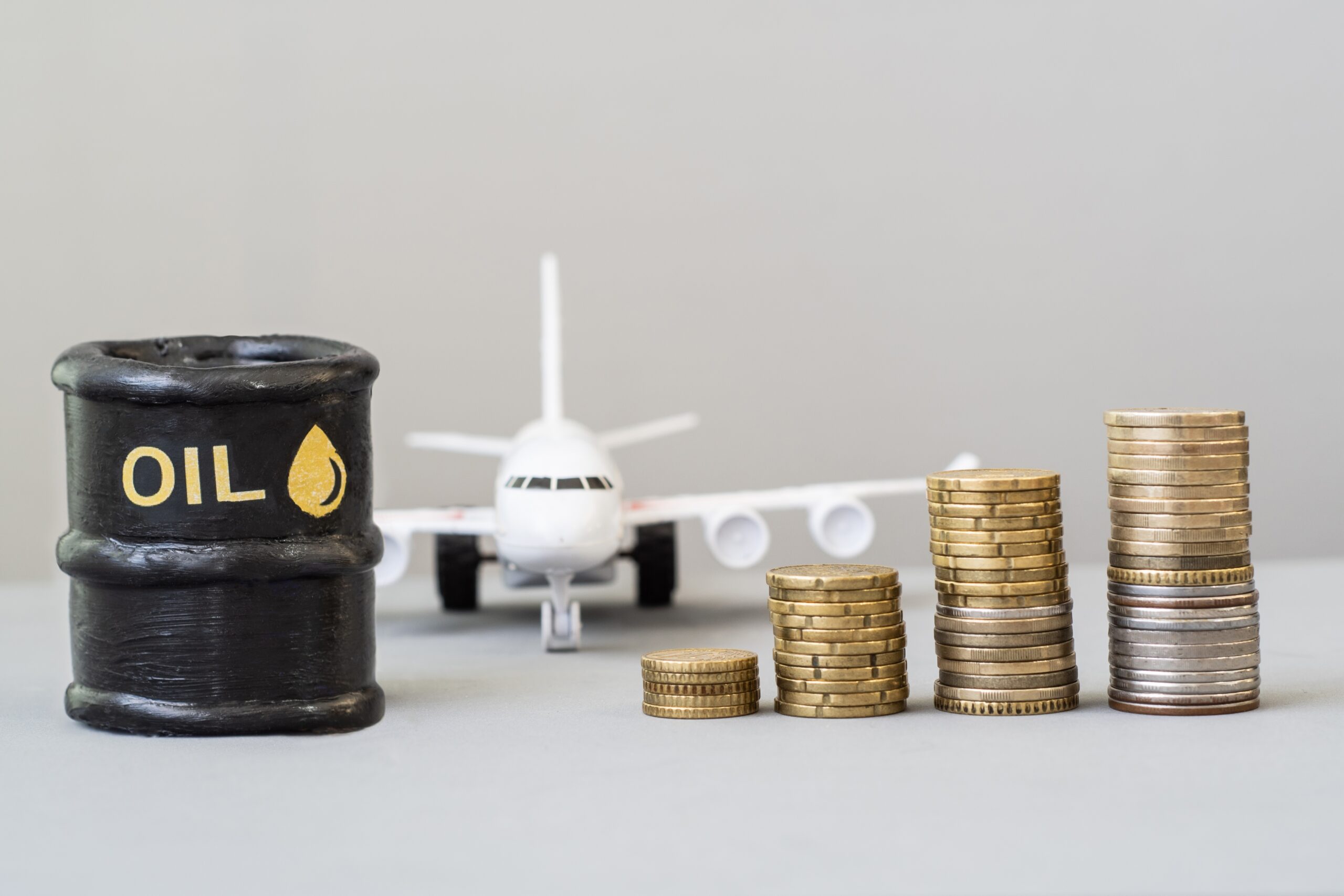
Gasoline prices have been falling in recent days, but the cost of a gallon of regular gasoline has been above $4 since March, according to motor club AAA. And the U.S. driving season, which pushes prices higher each year, has already begun — meaning relief at the pump may be temporary.
The wholesale data came just one day after a separate government report showed that consumer prices rose 4.2% in May from a year earlier, the most in three years. Gasoline prices were up nearly 41% from May 2025. Airfares were up almost 27%.
What about the broader economy?
Excluding food and energy, the core Producer Price Index rose 0.4% for the month and 4.9% over the year. Economists pay close attention to certain categories within the wholesale data — particularly health care and financial services — because they feed into a separate inflation measure the Federal Reserve uses to guide its interest rate decisions.
Stephen Brown, chief North America economist at Capital Economics, noted that the producer prices "that feed into the PCE price calculation rose by much more than we expected."
Rising inflation together with labor market stability have led financial markets to price in a rate increase from the Federal Reserve. But economists view the bar as high for policy tightening, arguing that the oil price shock so far remains confined to the transportation sector.
Rising wholesale prices today have become higher grocery bills, bigger utility payments, and steeper costs at the pump. For many families already stretching their budgets, that gap between paychecks and expenses may keep getting harder to close.