NUHW Members Advocate for Mental Health Bills in State Capitol
 Editorial Staff
NUHW Advocates for Mental Health Legislation at California Capitol
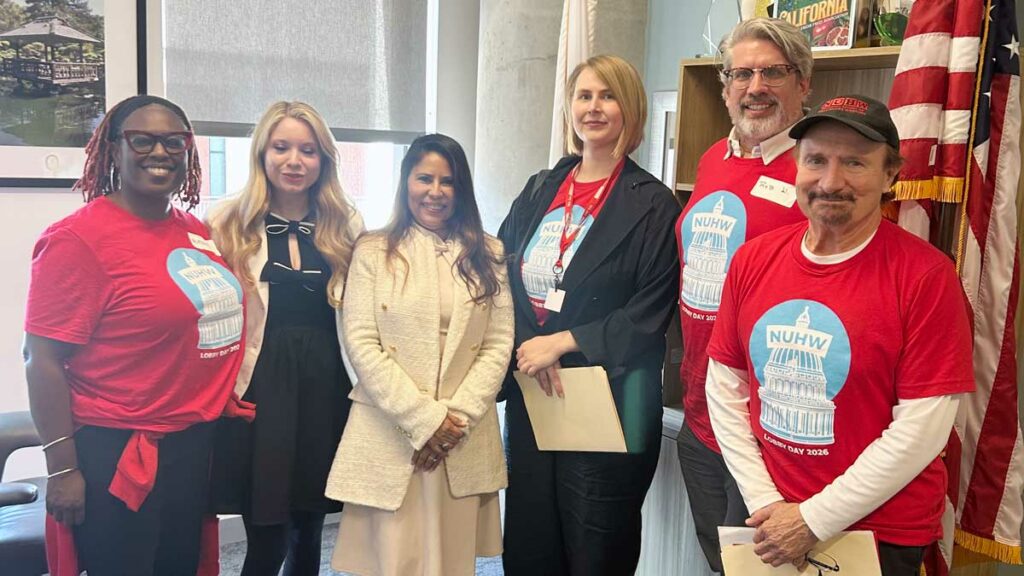
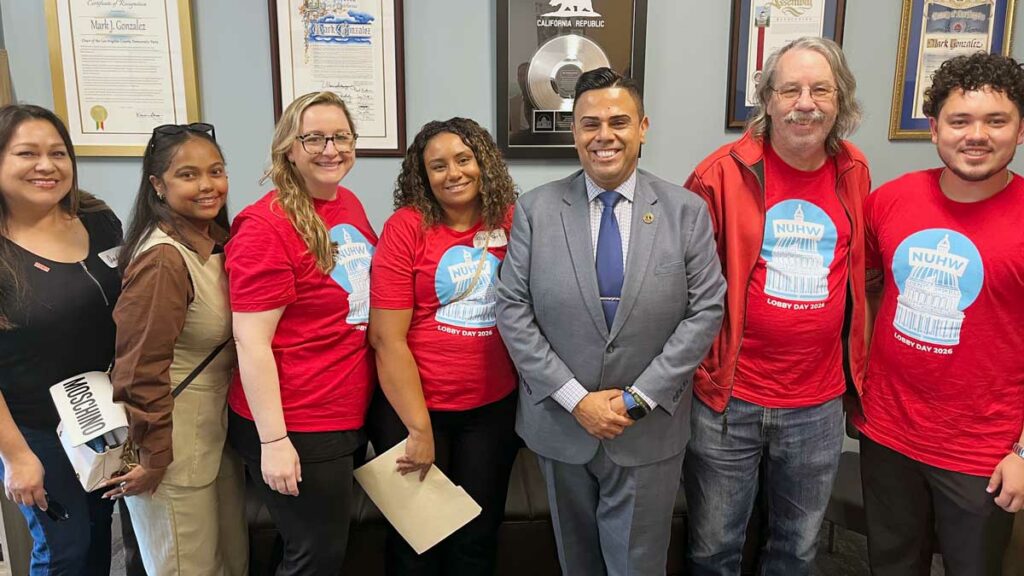
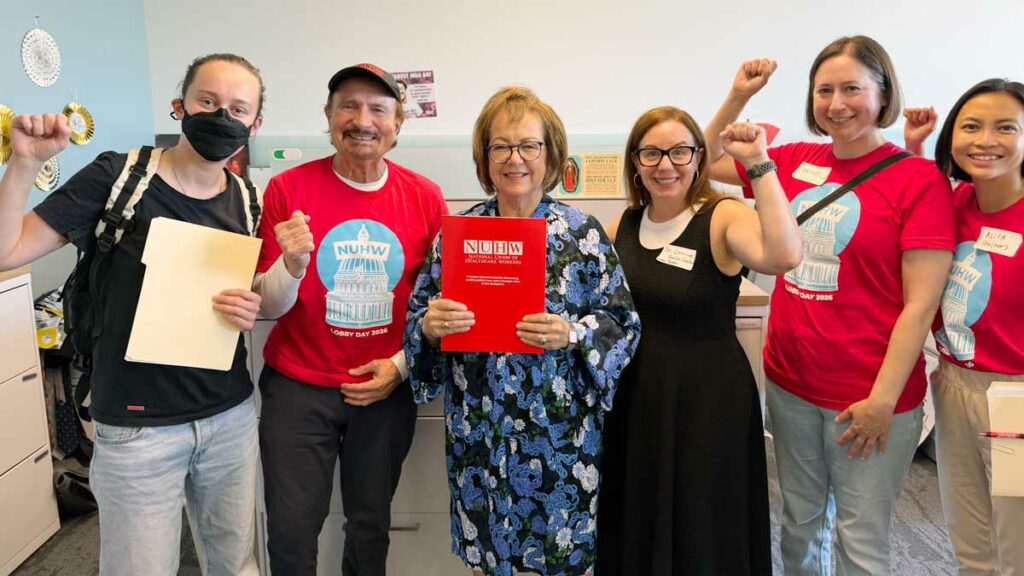
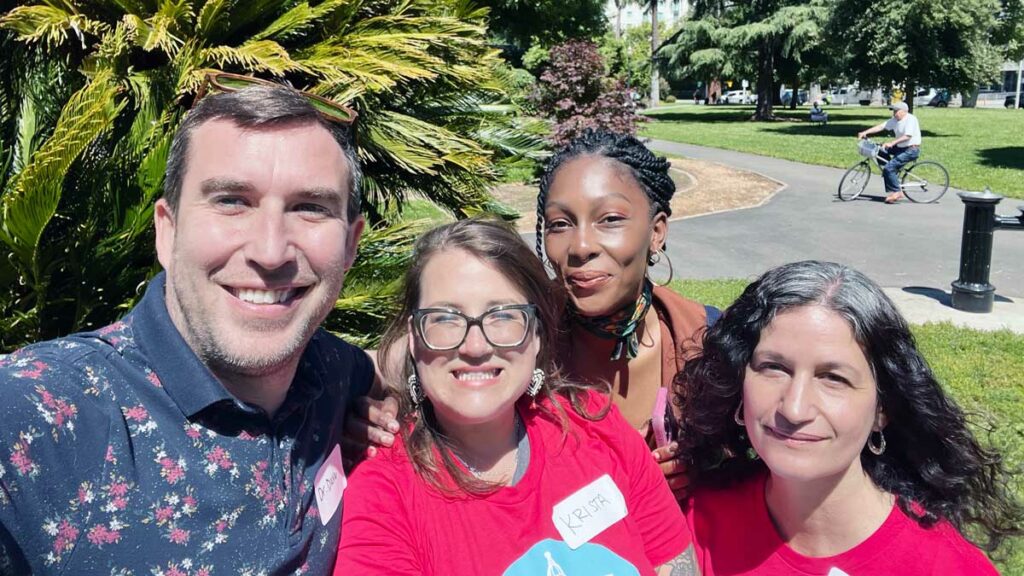
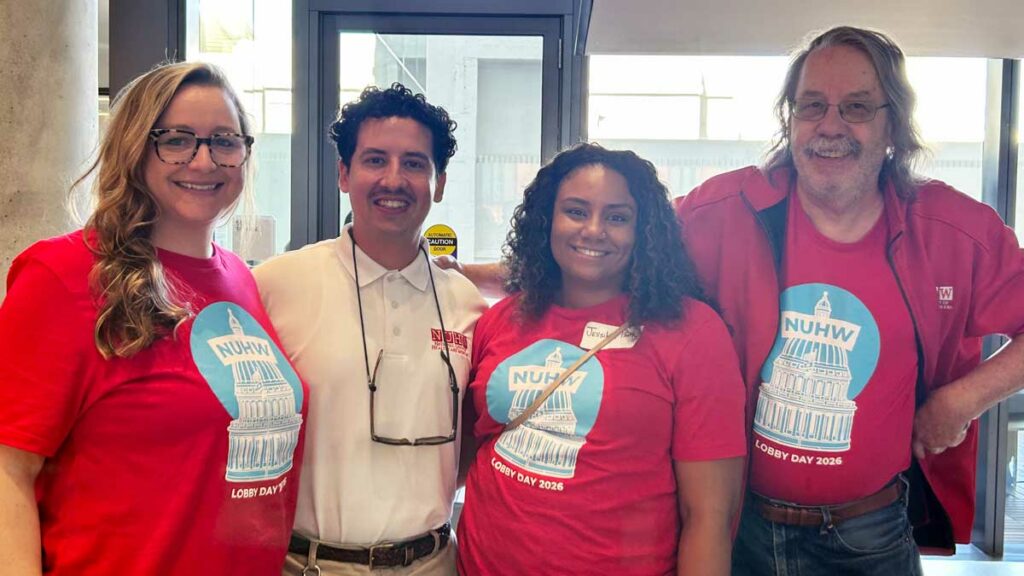
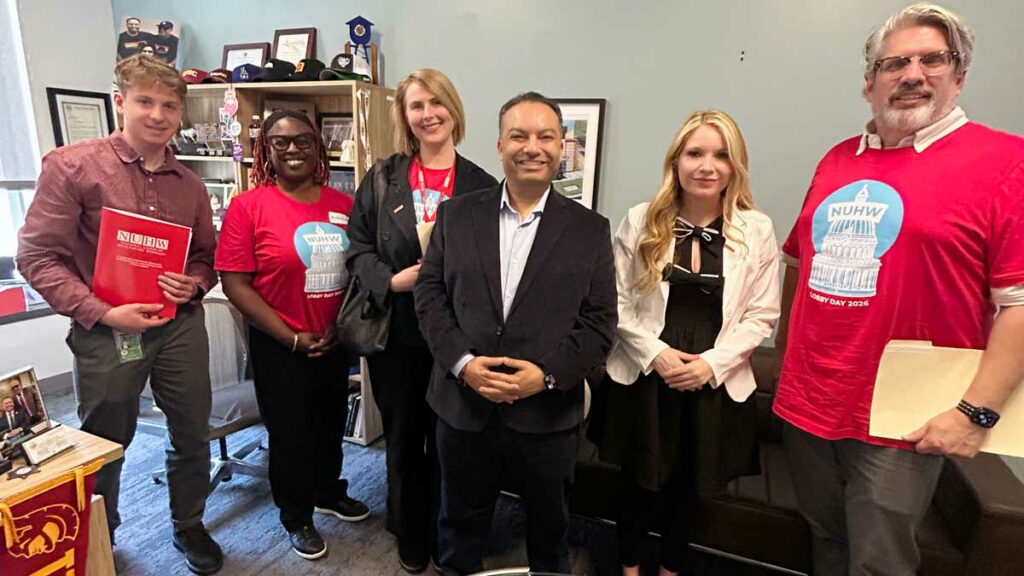
On May 13, the State Capitol's Legislative Office Building was awash in red as members of the National Union of Healthcare Workers (NUHW) and their allies advocated for two significant bills aimed at enhancing access to mental health care that emphasizes human interaction.
NUHW members engaged with over 60 legislators and senior aides to promote support for AB 2511, a bill addressing the pay disparity between mental health providers and similar medical professionals, and SB 903, which seeks to regulate the use of artificial intelligence in mental health treatments.
While AB 2511 did not advance past the Assembly Appropriations Committee, SB 903 faced no opposition in the State Senate and is now moving to the Assembly.
"I feel empowered," expressed Monique Dixon, a psychiatric social worker with Kaiser in Fontana, after discussing with Assemblymember Ash Kalra, Democrat from San Jose. "It's encouraging to hear that there are people in positions of power who support our work and the working class."
SB 903, introduced by State Senator Stee Padilla (D-San Diego), aims to regulate the use of artificial intelligence in behavioral health services.
NUHW is part of a broad coalition backing the bill, which includes the California Psychological Association, the California Behavioral Health Association, the California Association of Marriage and Family Therapists, and the Children's Rights Alliance.
The proposed legislation would require healthcare providers, including Kaiser, to obtain patient consent before using AI to record sessions or assess individuals receiving mental health services. It also prohibits AI from independently making therapeutic decisions or assessing emotional or mental states.
NUHW members shared personal experiences to support the bill. Citlalli Vázquez Reyes explained to a staffer of State Senator Sasha Renee Pérez the dangers of using AI for mental health evaluations, as online questionnaire responses may not fully capture a patient's experiences.
"Patients often don't report everything completely," she noted. "They may not feel comfortable sharing the full truth. So, relying on this could lead them to believe they're okay, that there are no risks, when in reality, I'm making emergency crisis interventions based on what I'm visually assessing."
Legislators responded positively to NUHW's advocacy efforts. Assemblymember Kalra commented on the AI-related measure, stating, "We want humans to make the decisions. Ultimately, it impacts the patient relationship; you can't replicate that with technology. Technology can assist... but ultimately, humans must make the decisions."
The Advocacy Day has become an annual tradition as NUHW becomes increasingly active in state politics. Coinciding with Mental Health Awareness Day in Sacramento, the event has successfully supported legislation, including AB 3221, authored by Assemblymember Gail Pellerin, enhancing the Department of Managed Health Care's ability to enforce state laws by requiring health plans to provide searchable digital databases for investigations.
Andrea Hatfield, a Kaiser therapist from Southern California, attended Sacramento for the first time and is eager to continue her involvement. "These times require greater political action," she said. "It was important for me to understand what's happening (with NUHW) on a larger scale and support it."

---
Read More USA Works News