Amidst a dramatic turn of events in Venezuela, the unexpected removal of President Nicolás Maduro has positioned the United States at the center of a potential geopolitical shift. In a bold statement following the operation, President Donald Trump declared, “American dominance in the western hemisphere will never be questioned again.”
The implications of the U.S. intervention in Venezuela, and Trump's subsequent assertion of control over the country’s oil resources, are likely to extend far beyond the continent, impacting global alliances and economic structures. Venezuela, a nation with one of the largest proven oil reserves, has long been a focal point of geopolitical interest due to its energy wealth and political alliances. The ongoing refugee crisis, one of the largest in current times, could also be exacerbated by these developments.
Read more: How the World Is Reacting to the U.S. Capture of Nicolas Maduro
Trump's intervention could have wide-reaching effects, potentially reshaping the landscape of global oil markets, altering alliances, and challenging international norms regarding sovereignty and intervention. Neighboring countries like Colombia, Mexico, and Cuba are now faced with a scenario where their national sovereignty seems vulnerable.
Here's how Trump's move in Venezuela could potentially alter the world stage.
Oil and Energy Dominance
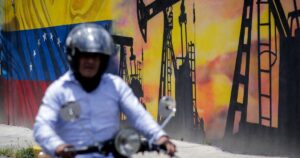
With the U.S. seizing control of Venezuela's oil industry, there appears to be an opportunity for economic gain for Washington. Venezuela boasts the largest oil reserves worldwide, which theoretically promises significant financial advantages for the United States.
However, the situation is complex. Currently, Venezuela's oil production is less than 1 million barrels per day, a mere 0.5% of global production, as reported by Rasmussen. Of this production, only about half is exported.
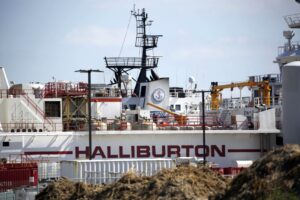
Years of sanctions, poor management, and insufficient investment, particularly after the nationalization of its oil sector, have severely impacted Venezuela's energy infrastructure. Despite Trump's assurances that American energy firms are ready to inject “billions and billions of dollars” to revitalize it, experts caution that returns could take years, if not longer, to materialize (source).
In the immediate future, the U.S. appears poised to gain control over a significant energy supplier to China. Beijing had heavily invested in Venezuela as a non-U.S.-controlled energy source, with oil exports to China averaging over 600,000 barrels per day in late 2025. This accounted for about 4% of China’s total oil imports.
The disruption of this strategic energy relationship is a setback for China, potentially increasing U.S. leverage. However, Trump sought to calm fears, stating on Fox & Friends, "I have a very good relationship with [China’s President] Xi, and there’s not going to be a problem. They’re going to get oil."
Iran Weakened
Maduro’s ouster also impacts Iran, a key ally of Venezuela since the early 2000s. This relationship, which bolstered Venezuela’s defenses against sanctions through mutual support, is now under threat.
Venezuela was a crucial partner for Iran, participating in energy and military collaborations, including the transfer of fuel, technological expertise, and military equipment. This alliance may now falter, further weakening Iran amid internal unrest and external pressures.
Might is Right
The capture of a standing president marks a significant deviation from international norms. This action, akin to the Iraq War's impact on global order, could embolden other global powers like Russia and China to pursue similar paths.
Russia has already enacted its agenda in Ukraine, while China has long voiced ambitions regarding Taiwan. The U.S.'s actions in Venezuela might weaken its own arguments against such maneuvers by other powers.
American Hemisphere
The Trump Administration's operation in Venezuela signifies its most audacious effort yet to exert influence across the Western Hemisphere.
Trump's subsequent comments have stirred concern among South American leaders. His statements about potential interventions in Mexico and Colombia highlight the uncertainty surrounding national sovereignty in the region.
Meanwhile, Cuba, reliant on Venezuela for oil at preferential rates, faces additional challenges due to shifting dynamics. Trump’s remarks, labeling Cuba a “failing nation,” indicate further potential U.S. engagement.
Marco Rubio, a key figure in the administration's Venezuela strategy, emphasized the need for Venezuelan independence from Cuba. Simultaneously, Sen. Lindsey Graham has pointed to Cuba as a future focus following Venezuela.