U.S. Solar Capacity Powers 50M Homes; States Lead Growth and Innovation
 Editorial Staff
The Facts -
- The US can power 50M homes with solar; added 11.4 GW in Q2 2026.
- California, Texas lead in solar; Florida, Arizona expand capacity.
- Battery storage and transmission upgrades enhance solar integration.
Solar Power in the United States: A Growing Force
The United States is making significant strides in solar energy, now boasting enough installed capacity to power over 50 million homes, according to the Solar Energy Industries Association (SEIA). In a remarkable growth spurt, the nation saw an increase of 11.4 gigawatts in solar capacity during the second quarter of 2026, which marks a 45% rise compared to the same period in 2025. This surge was largely driven by utility-scale projects, with battery storage and transmission upgrades playing a crucial role in integrating more solar power into the grid.
Leading the charge are California and Texas, the largest producers of solar electricity in the country. Meanwhile, states like Florida, Arizona, and North Carolina are enhancing their capacity, with Nevada focusing on transmission infrastructure to efficiently distribute electricity across the state. These states are setting the pace as top solar markets in 2026 through new projects and infrastructure investments.
Texas
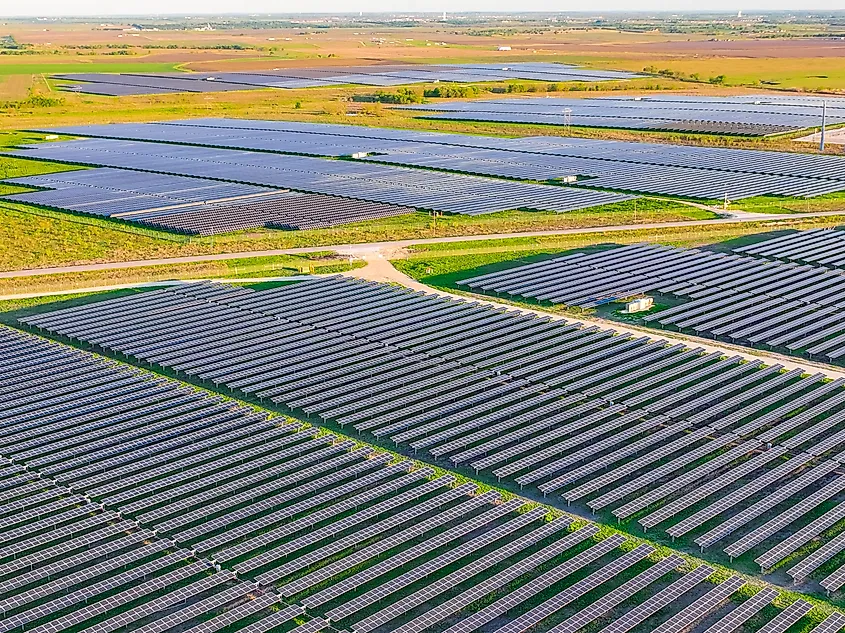
Texas emerges as a powerhouse in utility-scale solar electricity generation, leading with approximately 40% of the nation’s new utility-scale solar capacity in 2026, as reported by the US Energy Information Administration (EIA). A major highlight is the Tehuacana Creek 1 Solar and Battery Energy Storage project, which will add 837 megawatts of solar generation alongside 418 megawatts of battery storage. The expansion of transmission infrastructure and a projected 13 gigawatts of new battery capacity further solidify Texas's status. Residential customers also have opportunities to engage in solar buyback programs with varied compensation rates.
California

California maintains its position as the leading producer of total solar electricity, with a staggering generation of around 90,103 gigawatt-hours in 2025. Innovative projects like Project Nexus, which integrates solar panels over irrigation canals, demonstrate the state's commitment to advancing solar technology and water conservation. With a strong emphasis on battery storage supported by programs like the Self-Generation Incentive Program, California continues to advance its solar and storage initiatives. However, the federal Residential Clean Energy Credit is set to expire for new residential systems after December 31, 2025.
Florida
ASCOM Prefeitura de Votuporanga,
CC BY 2.0, via Wikimedia Commons
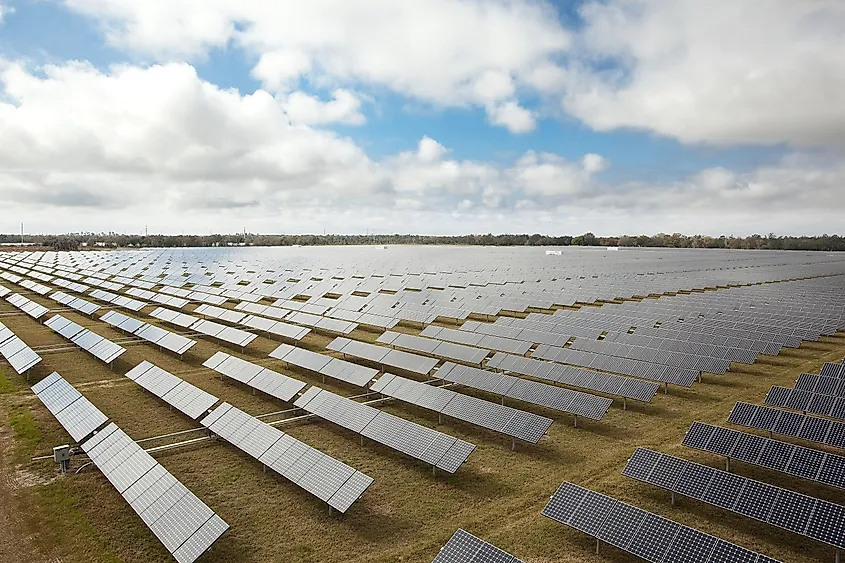
Florida stands third in national solar electricity production, driven by large-scale projects from Florida Power & Light and Duke Energy Florida. Jacksonville’s JEA is also contributing with the Miller and Forest Trail Solar Energy Centers, expected to generate enough power for over 22,000 homes. With investments in battery storage to ensure power availability beyond daylight, Florida offers tax exemptions and net metering through participating utilities, though program specifics can vary.
Arizona
Purina employee,
CC BY-SA 3.0, via Wikimedia Commons
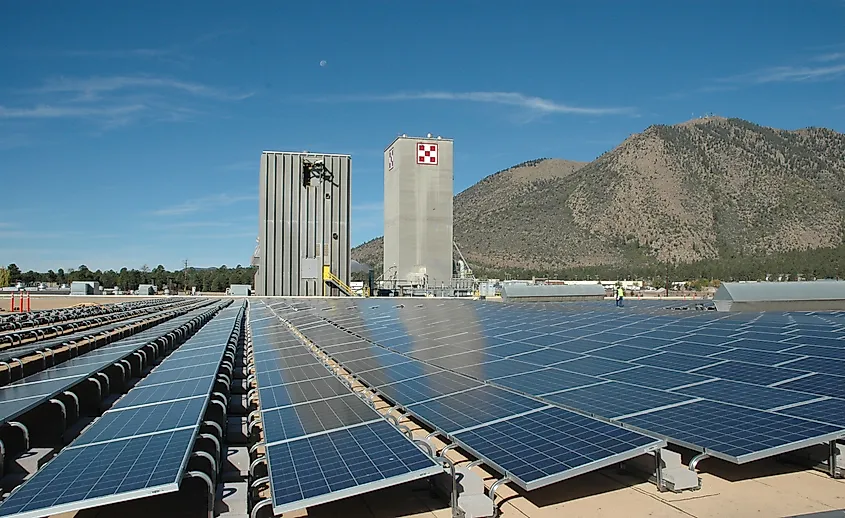
Arizona’s solar production thrives with extensive desert installations, such as the Eleven Mile Solar Center, operating since 2024 with a capacity of 300 megawatts. The upcoming Marigold Energy Center aims to enhance production with another 600 megawatts. Arizona is also innovating with solar panels over irrigation canals, enhancing both energy and water resources management. Homeowners benefit from a state tax credit and various utility compensation programs.
Nevada
s pants,
CC BY 2.0, via Wikimedia Commons
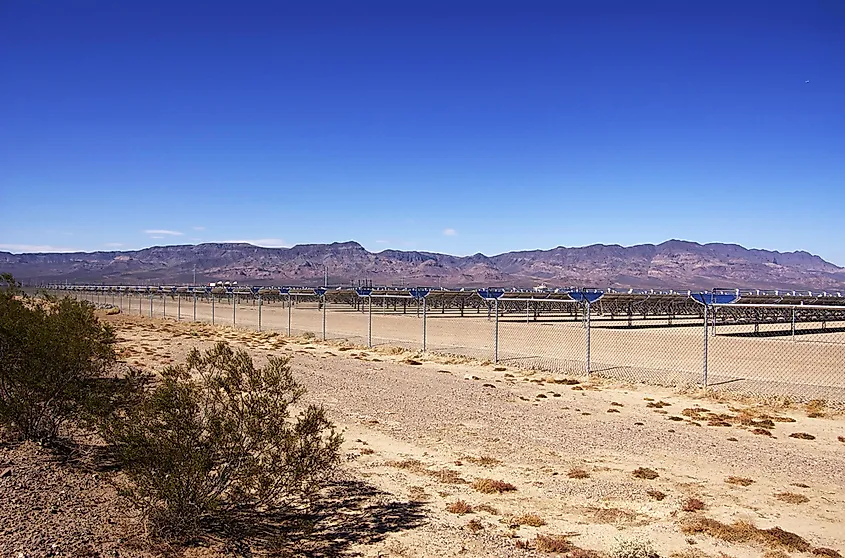
Boosted by significant photovoltaic installations, Nevada is enhancing its transmission capabilities with NV Energy’s Greenlink Nevada initiative. This includes Greenlink West and North projects aimed at improving electricity flow across the state. Residential customers under NV Energy can earn credits for excess solar electricity, and the Nevada BRIGHT program facilitates solar access through leasing.
North Carolina
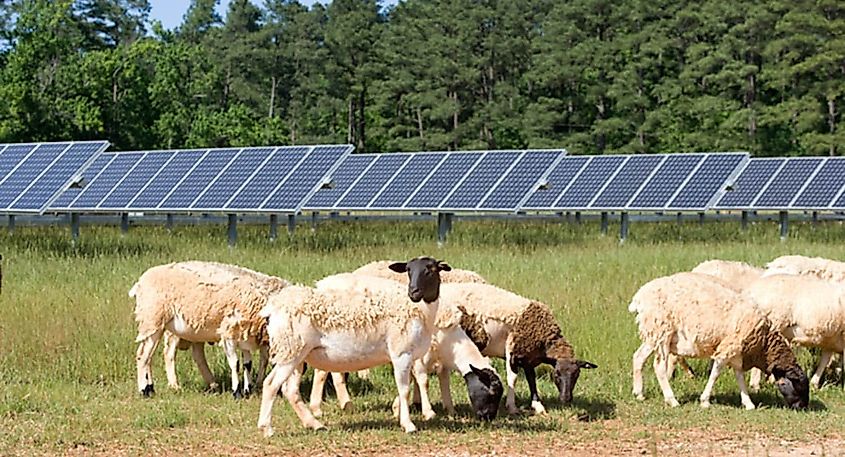
SAS Institute,
CC BY-SA 4.0, via Wikimedia Commons
North Carolina is a leading solar producer in the Southeast, with utility-scale projects and growing investments in energy storage and grid resilience. Among notable initiatives is the $5 million Clean Energy Microgrid Initiative launched in 2025, aimed at enhancing energy security in hurricane-affected areas. By 2026, the state plans permanent and mobile microgrids to bolster disaster readiness, alongside $1.4 million in funding for energy-efficient improvements.
The Future of Solar Energy in the United States
Solar capacity is expanding beyond the top states, with New York nearly reaching its goal of 10 gigawatts by 2030. Illinois set a target of 3,000 megawatts of energy storage with new legislation, while Georgia and Virginia are making strides with new projects and growing energy needs. California and Texas remain at the forefront of solar production, while advancements in battery storage and transmission are pivotal for the solar sector's future growth and grid integration.
---
Read More USA Works News