Structural Barriers and Successes of Independent Mayors in US Cities
 Editorial Staff
The Facts -
- Independent candidates face systemic barriers in US politics.
- Supreme Court rulings worsen two-party dominance in campaign finance.
- Independent mayors show governance success beyond party lines.
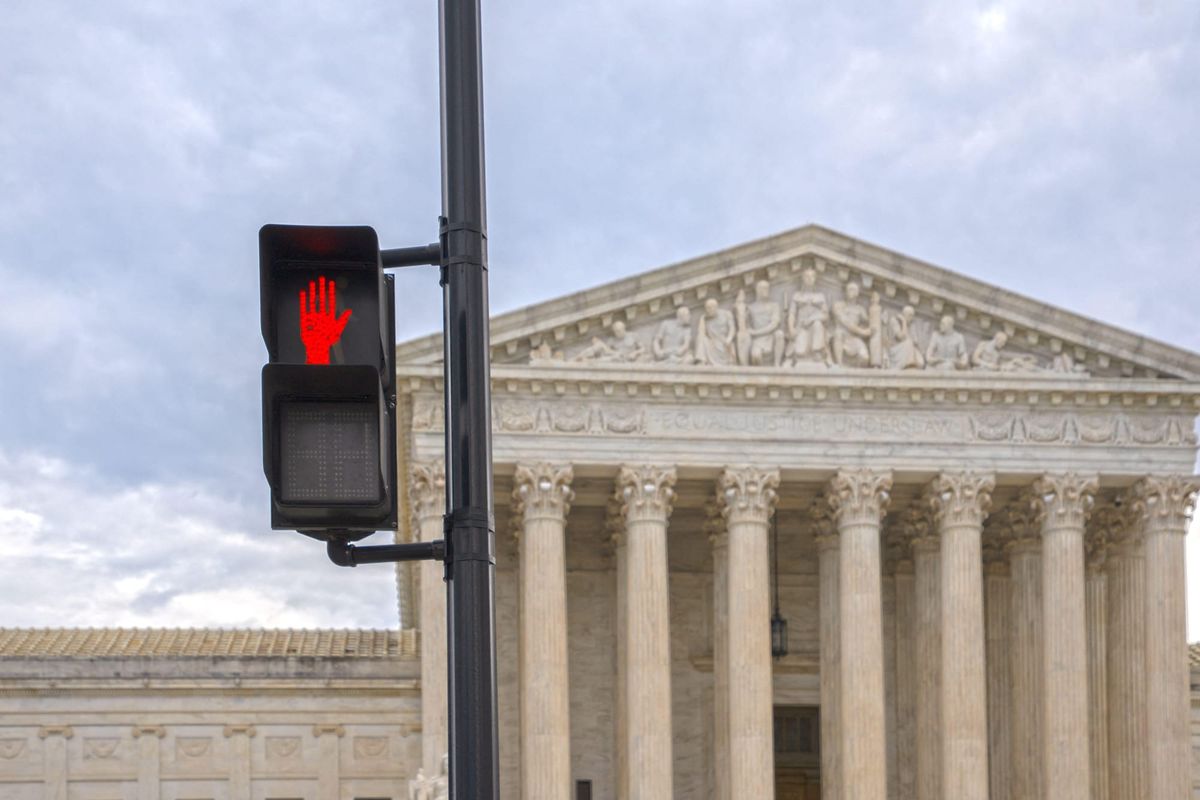
Independent politicians in the United States continue to face formidable challenges, particularly in gaining ballot access and securing necessary funding, due to the dominance of the two major parties. These obstacles were further compounded by a recent Supreme Court decision in NRSC v. FEC, which ruled that restrictions on the spending of political parties in support of their candidates violate the First Amendment.
The Supreme Court Just Made America’s Two-Party Money Problem Worse
The court struck down a post-Watergate limit on coordinated party spending, clearing the way for Republican and Democratic committees to pour unlimited money into races—and making it even harder for independents to compete.
Despite these challenges, independent leadership still thrives, particularly at the local level. Several mayors across major U.S. cities have successfully governed without the support of the traditional party infrastructures, illustrating what independent political leadership looks like in practice.
These mayors, though sometimes affiliated with major parties, have publicly declared their independence. They lead cities with a focus on economic renewal, mental health, infrastructure development, and public safety, demonstrating the efficacy of non-partisan governance.
Hillary Schieve—Reno, Nevada (pop. ~273,000)
Since her initial election in 2014, Hillary Schieve has been reelected as Reno's mayor, most recently in 2022. She became the first independent president of the United States Conference of Mayors. Schieve's efforts to diversify Reno's economy beyond gaming have attracted tech firms to the city, adding to her recognition as one of Politico's "America's 11 Most Interesting Mayors." Her work in revitalizing the Midtown District and investing in the arts earned her the 2019 Elected Arts Advocate of the Year award.
Suzanne LaFrance—Anchorage, Alaska (pop. ~290,000)
Suzanne LaFrance, a registered nonpartisan, ousted the incumbent Republican mayor in the 2024 election with 53.54% of the vote. As mayor, she emphasizes bipartisan collaboration and has prioritized including those most affected by policy changes. Her tenure has seen unemployment drop and the homeless shelter system extended year-round.
Patricia Lock Dawson—Riverside, California (pop. ~317,000)
Patricia Lock Dawson, first elected in 2020, pioneered a "Bipartisan Forum" to tackle homelessness and mental health reform, which contributed to passing California's CARE Court mental-health legislation. Under her leadership, Riverside has secured significant funding for infrastructure and workforce development.
Rick Blangiardi—Honolulu, Hawaii (pop. ~350,000)
Rick Blangiardi, a veteran television executive, was elected as Honolulu's mayor in 2020. He describes his independence by stating, "I'm an independent. Always have been." His administration has focused on affordable housing and improving police recruitment through changes in local contracts.
Jim Ross—Arlington, Texas (pop. ~400,000)
Jim Ross, elected in 2021, has overseen the creation of over 27,000 jobs and increased wages in Arlington. A strong advocate against illegal guns, Ross has also called for ethical reviews of redistricting proposals, maintaining his stance as an independent leader.
Yemi Mobolade—Colorado Springs, Colorado (pop. ~500,000)
Yemi Mobolade, who took office in June 2023, is a proponent of independent leadership principles. His administration has significantly improved public safety and reduced crime rates. In addition, his focus on infrastructure has led to securing substantial funding for road maintenance.
These mayors exemplify how non-partisan governance can effectively address community concerns. Their initiatives on infrastructure and public safety, coupled with transparent governance, illustrate the potential of independent leadership in enhancing the quality of life for city residents.
Note: Several mayors in jurisdictions that have nonpartisan local elections have been excluded from this list when public statements from them about being independents and not tied to either party couldn’t be found, and their status as independents couldn’t be verified.
---
Read More USA Works News